
PSILOCYBIN GUMMIES: WHAT’S ACTUALLY IN THE PACKAGE
 Ron Horton
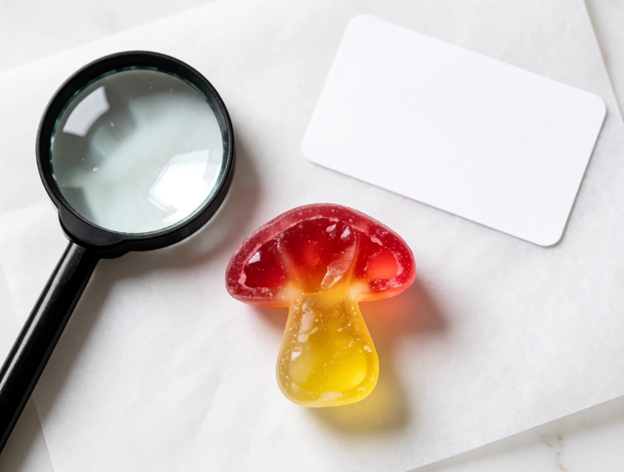
Two bags of psilocybin gummies can look nearly identical on a shelf. Same bright packaging, same fruit flavors, similar price. Yet one might contain carefully measured mushroom extract with a batch number and strain listed, while the other offers little more than a number and a cartoon mushroom.
Knowing how these Gummies from Mycrologi are made and labeled helps you tell the difference. This article breaks down the parts of a psilocybin gummy that matter most: potency, ingredients, and the details a good brand won’t leave off the package.
What “Psilocybin” Means on a Label
Psilocybin is the naturally occurring compound found in certain mushroom species, most commonly Psilocybe cubensis. When a label says “3.5g” or “1g,” it usually refers to the amount of dried mushroom used per package or per gummy, not the amount of psilocybin itself.
This trips up a lot of buyers. A package labeled “3.5g” with 10 gummies generally means each gummy contains the equivalent of 350mg of dried mushroom. Brands that spell out both the total and the per-piece number save you the math.
Why Potency Can Vary Between Brands
Mushrooms are a natural product. Psilocybin content shifts depending on the strain, the growing conditions, the flush, and even how the mushrooms were dried and stored. Two brands using the same “1g per gummy” format can produce noticeably different results.
A few factors explain most of the gap:
- Strain: Penis Envy and its variants are often more potent by weight than Golden Teacher.
- Batch mixing: Brands that grind and blend a large batch of mushrooms before portioning tend to get more consistent results.
- Extraction: Extract-based gummies can standardize potency more tightly than whole-powder gummies.
- Storage: Heat, light, and moisture break down psilocybin over time.
This is why sticking with one brand you’ve tried beats hopping between new ones every order.
Ingredients Worth Checking
The gummy base matters more than most people think. Pectin, made from fruit, holds its shape in warm temperatures and suits vegan diets. Gelatin gives a softer, springier chew but can melt or stick together in heat.
Beyond the base, look at sweeteners and coatings. Cane sugar and glucose syrup are standard. Some brands use sugar-free alternatives like maltitol, which can upset some stomachs. Sour coatings use citric or malic acid. Natural flavors and colors from fruit and vegetable sources are a small but welcome sign of care.
Anatomy of a Trustworthy Label
A label you can rely on usually includes:
- Total mushroom weight per package
- Mushroom weight per individual gummy
- Strain or species
- Full ingredient list
- Batch or lot number
- Best-before or production date
- Storage instructions
If three or more of these are missing, move on. The best brands in this category compete on transparency as much as flavor.
Storing Psilocybin Gummies
Keep gummies sealed in their original packaging or an airtight container, somewhere cool, dry, and dark. A kitchen cupboard away from the stove works. The fridge is fine for pectin gummies but can make gelatin gummies hard. Avoid leaving a bag in a car, where summer heat can soften the gummies and degrade potency within a day or two.
Comparing Products Like a ProComparing Products Like a Pro
Put two options side by side and compare the per-gummy mushroom weight, the strain, and the price per gram rather than the price per bag. A $40 bag of ten 500mg gummies and a $45 bag of ten 1g gummies aren’t the same value. Doing that quick calculation turns a guess into an informed purchase.